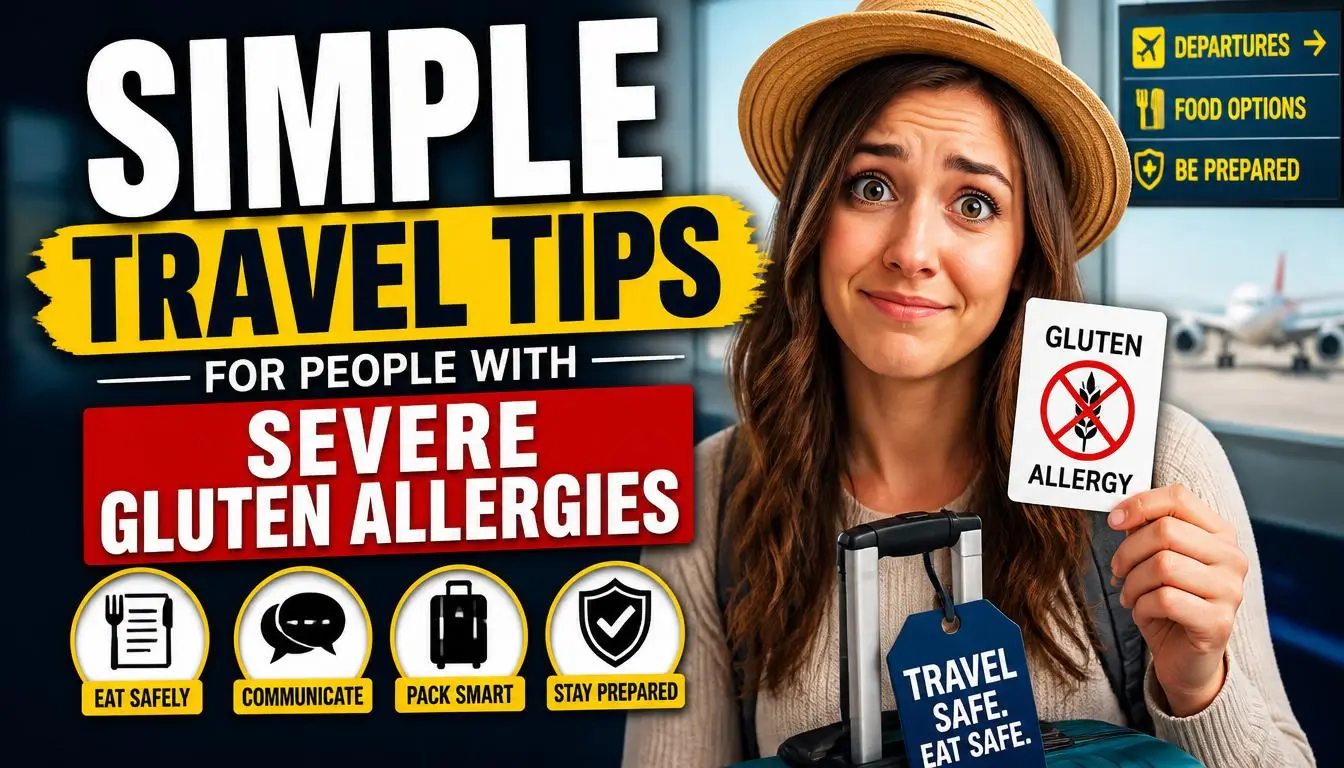
Simple Travel Tips for People With Severe Gluten Allergies
Figuring out how to travel safely with a severe gluten allergy completely changed my life. I used to grip my suitcase in sheer panic while walking through foreign airports and scanning unfamiliar restaurant menus. The fear of one wrong meal ruining an entire vacation almost made me quit traveling entirely. I learned how to manage my celiac needs the hard way after a few brutal mistakes. Building a reliable system takes a little practice. It actually becomes second nature once you get the hang of it.
1. Research Your Destination Before You Book
Not every city understands how to handle a strict diet. Some destinations take celiac disease very seriously. Other places will just smile and toss regular croutons right onto your salad. I always spend time scrolling through the Find Me Gluten Free app before booking any flights. Reading real reviews from other sensitive eaters gives you a clear picture of what to expect.
Italy is actually one of the safest countries for gluten-free eating because celiac awareness is built right into their healthcare system. Places like Japan or Thailand require much more caution since wheat hides in almost every local soy sauce. Figuring out these local food norms ahead of time keeps you out of trouble. You really do not want to find yourself standing on a dark street corner at night searching for safe food on your phone.
2. Pack a Gluten-Free Survival Kit
Packing snacks sounds obvious. The specific details really matter here. I refuse to leave my house without a dedicated bag of emergency food packed in my carry-on. My go-to stash usually includes a few protein bars and individual peanut butter packets. I always throw in some plain rice cakes too. Tossing in a packet of certified safe instant oatmeal is another great trick. Hotel rooms almost always provide a coffee maker to heat up water.
Your emergency stash needs to cover at least two full meals. Flights get delayed for hours. Small town grocery stores often lack safe options. Having your own food on hand fixes those unexpected hunger emergencies instantly.
3. Get Restaurant Translation Cards
Carrying a printed card explaining your dietary needs in the local language works wonders. I prefer using the free downloads from CeliacTravel.com for my trips. These printouts explain the strict need to avoid wheat. They also mention the dangers of cross-contamination in shared kitchens. Most people forget to explain that crucial part.
Give this card to your waiter before you even glance at the drink menu. Chefs have actually come out to my table to discuss ingredients after reading my translated notes. Saying you need a special meal out loud rarely gets that same level of attention. A physical piece of paper shows the kitchen staff that your request is a strict medical need.
4. Call Hotels and Restaurants Ahead of Time
Making a quick phone call to a restaurant a day in advance saves so much frustration. It definitely takes a little extra effort on your part. A brief chat tells you if the kitchen actually understands food safety protocols. Sometimes a place just slaps a trendy label on their menu to attract customers. I always ask if they use a shared fryer. I check if they have a separate prep area in the back.
Reaching out to your hotel makes a huge difference too. Calling ahead about the breakfast buffet situation prevents a sad morning meal of black coffee and a plain banana. Big chain hotels will often prepare separate safe plates if you give them enough notice. I have walked down to breakfast to find eggs cooked in a dedicated clean pan waiting for me. You just have to be willing to ask for help.
5. Bring Your Own Kitchen Essentials for Longer Trips
Booking a room with a small kitchenette is my main strategy for longer vacations. Having access to a basic stove and a mini fridge changes everything. Cooking just one safe meal a day removes a massive amount of stress. You get a break from constantly interrogating waiters about hidden ingredients.
Packing a few lightweight cooking tools might sound extreme. I always bring my own silicone spatula and a thin plastic cutting board. Rental kitchen tools are a nightmare for cross-contamination. Wooden cutting boards hold onto breadcrumbs for years. Pasta strainers rarely get washed thoroughly enough. Using my own cheap tools keeps me from getting sick on vacation.
6. Master the Art of Airport Eating
Getting stuck hungry in an airport terminal is the absolute worst. Almost every grab-and-go cooler is packed full of wheat wraps and crusty sandwiches. I always check the official airport website before leaving for my flight. Figuring out the food options in your specific terminal ahead of time keeps you sane.
You can usually find a plain fruit cup or a packaged marshmallow bar at most coffee shops. A few larger transit hubs actually feature dedicated health food stores now. Dallas-Fort Worth has a fantastic little shop hiding near Terminal C.
My personal rule for flying is to eat a massive meal before leaving my house. Counting on an airport food court to safely feed a celiac traveler is a terrible gamble.
7. Learn Key Phrases in the Local Language
Memorizing a few basic words in the local language builds immediate trust with your waiter. I make sure I know how to say I have a severe allergy. I learn how to ask if a dish contains wheat. Knowing how to say a meal could make me very sick is also incredibly helpful.
Translation apps work fine in an emergency. Speaking the words yourself shows the staff you are taking the situation seriously. Looking someone in the eye while explaining your medical needs gets a much better reaction than just pointing at your phone. I recommend using your translated card along with your spoken phrases to stay as safe as possible.
Simple Travel Tips for People With Severe Gluten Allergies: Mindset Matters Too
The mental exhaustion of traveling with strict dietary needs rarely gets discussed. You spend your entire trip scanning unfamiliar menus and decoding foreign ingredient labels. Second-guessing every single bite of food takes a huge toll on your energy. Feeling burnt out by the whole process is completely normal.
I finally realized that not every vacation meal needs to be a massive culinary event. Eating plain rice and a grocery store avocado for dinner is totally fine. Dropping the expectation to eat at famous local spots every single night took away so much anxiety. Accepting my dietary reality made exploring new cities fun again.
8. Use Nima Sensor for Extra Confidence
A portable testing device offers incredible peace of mind when dining out. The Nima Gluten Sensor checks a tiny piece of your meal for hidden wheat in just a few minutes. Buying the device and the individual test capsules definitely gets expensive. I save the tests for high-risk situations at unfamiliar restaurants. Testing a small bite before digging in calms my nerves completely.
The device cannot guarantee the entire plate is perfectly clean. It only tests the exact morsel you put inside the capsule. The sensor has caught hidden contamination on my plate twice over the last few years. Avoiding those severe physical reactions made the heavy price tag entirely worth it to me.
9. Connect With Local Celiac Communities
Social media groups are massive resources for safe travel eating. I always hunt down local allergy groups on Facebook before flying to a new country. Residents managing the exact same condition know exactly which cafes take cross-contact seriously. Those locals will also warn you away from tourist traps that fake their safety protocols.
Internet forums provide amazing advice for specific neighborhoods too. You can easily post your travel plans online and ask for nearby cafe suggestions. Fellow sensitive eaters love sharing their hidden gems. They understand exactly how stressful eating away from home can be.
10. Always Carry Medication
Accidental exposure still happens occasionally despite your absolute best efforts. My travel bag always holds basic stomach remedies. I also pack rehydration packets just in case. Keeping your prescribed medications in your carry-on bag is absolutely critical. Airlines lose checked luggage all the time. You do not want to lose your emergency pills in a foreign country.
Bringing a formal note from your doctor helps tremendously at airport security. A signed letter explaining your medical condition makes passing through international customs much smoother. Border agents rarely ask questions when you hand them official medical documentation.
Frequently Asked Questions
Can I find gluten-free food in most countries?
Finding safe meals is totally possible almost everywhere. The difficulty just changes depending on your location. Countries across Western Europe and Australia feature excellent allergy awareness. Navigating street food in Southeast Asia requires intense caution because regular soy sauce coats almost everything. Looking up specific local dishes online before your flight is the smartest move. Packing your own snacks is mandatory no matter where you fly.
What are the best apps for gluten-free travelers?
My absolute favorite tool for finding restaurants is Find Me Gluten Free. The reviews come from people managing actual medical conditions rather than casual dieters. The translation tools on your smartphone will also save you constantly. Pointing your camera at a foreign grocery store label to instantly read the ingredients feels like actual magic.
How do I handle a gluten exposure while traveling?
Start drinking tons of water the second you realize you ate something wrong. Take whatever emergency medications your doctor previously suggested. Try to get back to your hotel room to rest. Mixing a hydration packet into your water bottle helps your body recover faster. Figuring out an emergency plan while you feel healthy prevents massive panic when a reaction actually hits.
Is it safe to eat at hotel breakfast buffets with a severe gluten allergy?
Breakfast buffets pose a massive risk for cross-contamination. People constantly drop crumbs into other dishes and mix up the serving spoons. Calling the front desk ahead of time might get you a dedicated safe plate cooked in the back. Sticking to unopened yogurt cups is your safest bet. Whole fruits work well too. Never risk eating eggs that are sitting right next to a pile of toast.
What simple travel tips for people with severe gluten allergies matter most?
Carrying your own emergency snacks is the single most crucial habit to build. Bringing physical translation cards explaining your diet ranks a close second. These two basic strategies form the foundation of safe travel. Having extra food in your backpack stops immediate hunger panic. Knowing how to clearly explain your medical needs to a chef handles the rest.
Conclusion
Managing strict dietary restrictions on the road definitely requires some heavy planning. That extra effort should never stop you from exploring new places. Each trip gets a little smoother as these safety habits become totally normal to you. You stop stressing over menus and start focusing on enjoying your vacation. What is one city you have always wanted to visit but skipped because of the food?